 Mycelium
Know What You're
Picking
Before You Pick It.
Six photo pairs. Edible or deadly. Most foragers get at least two wrong — find out where your blind spots are before the basket is full.
Start Here.
These Four Won't Kill You.
Every forager remembers their first confident find. These species have distinct features, no deadly Pacific Northwest lookalikes, and reward patience with exceptional eating.
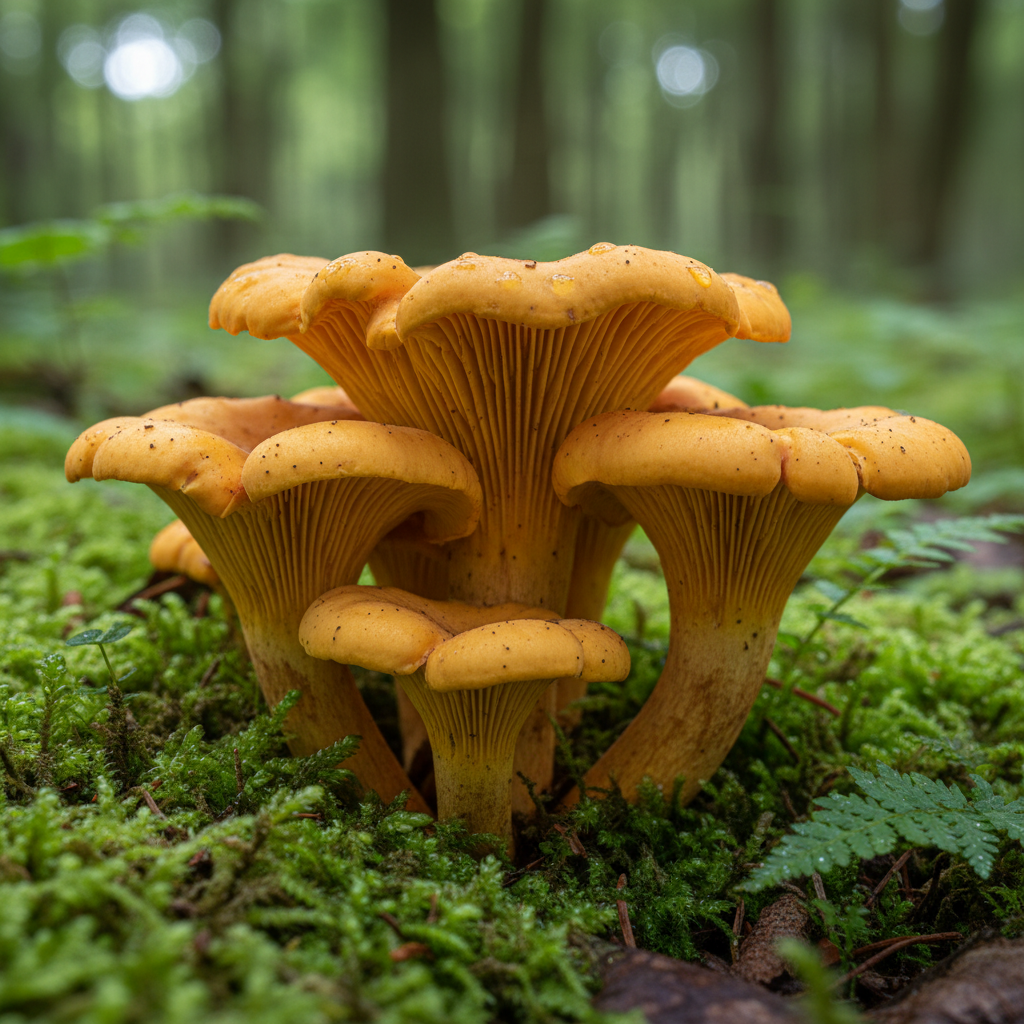
Chanterelle
Cantharellus cibarius
ID Confidence
False gills that fork — not true gills. Fruity apricot scent.
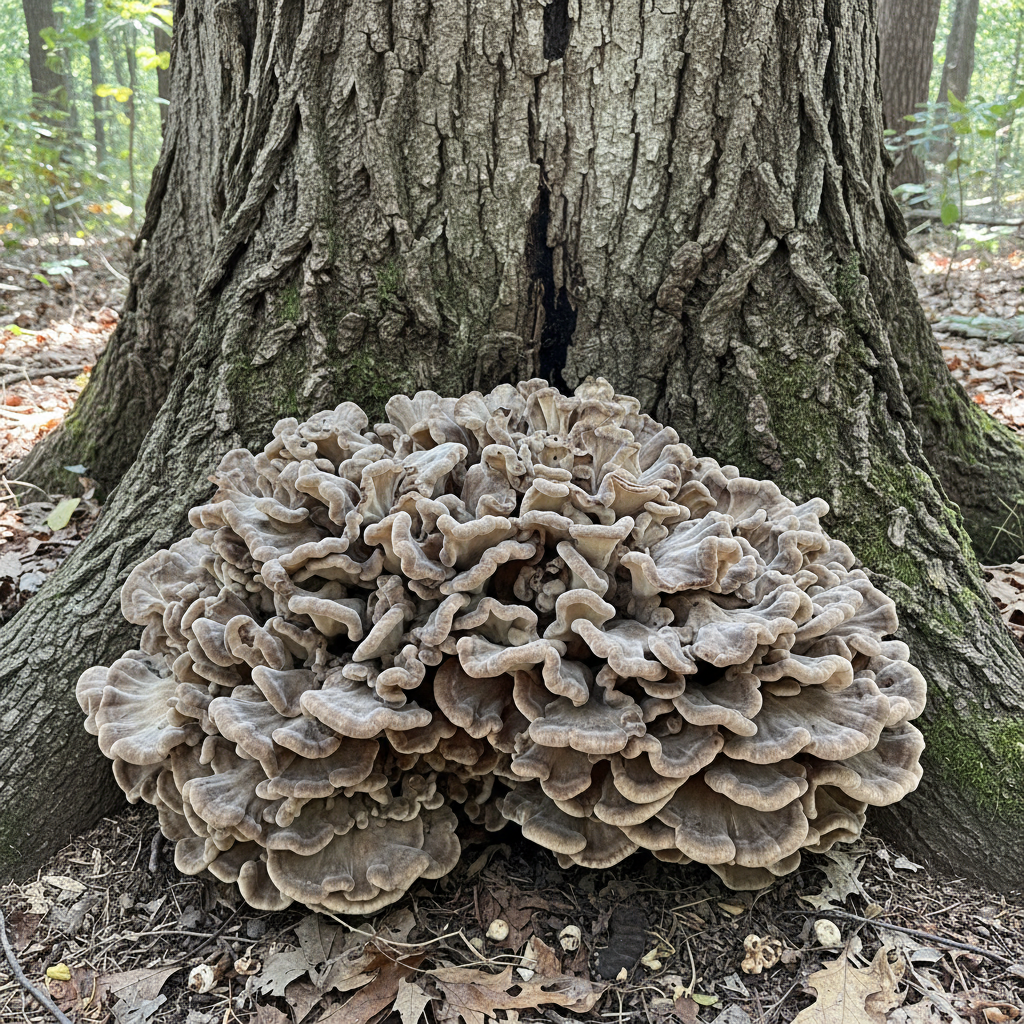
Hen of the Woods
Grifola frondosa
ID Confidence
Always at base of oaks. No dangerous lookalikes in PNW.
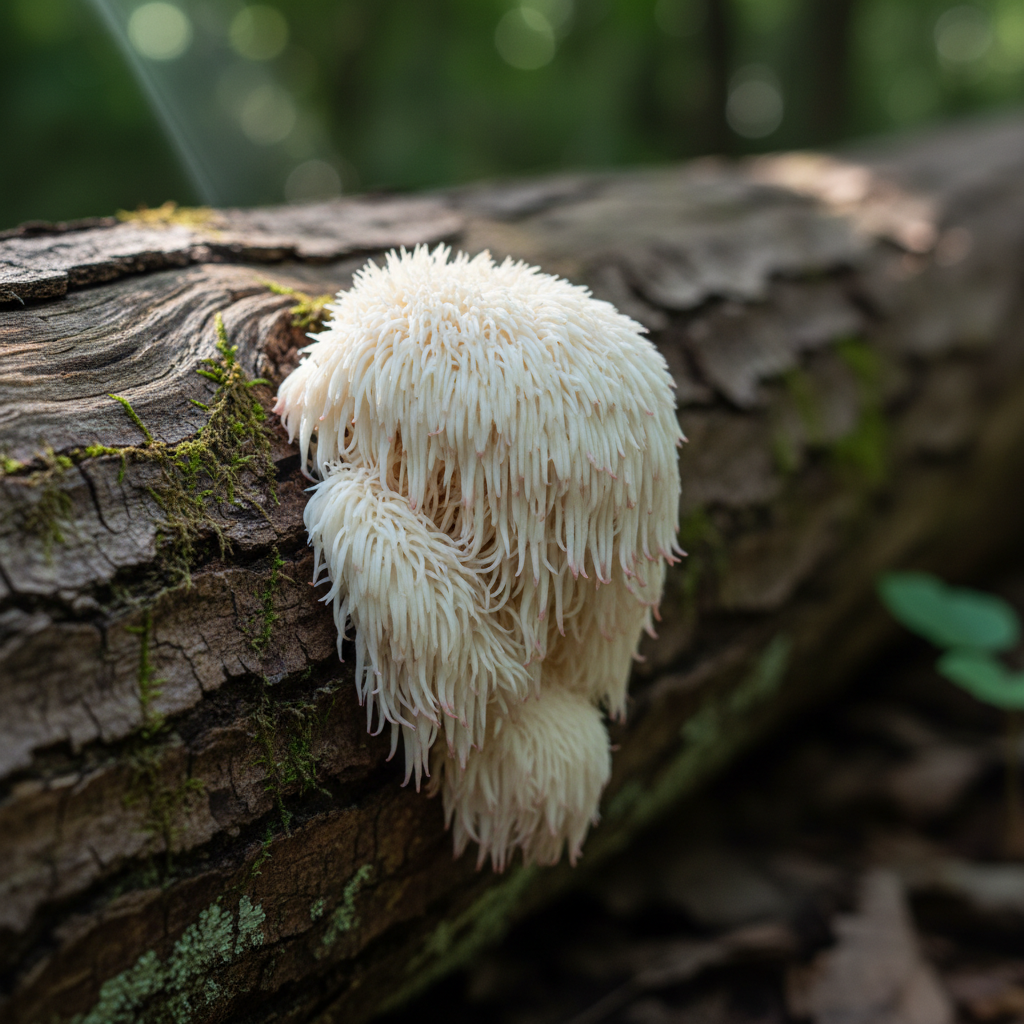
Lion's Mane
Hericium erinaceus
ID Confidence
Unmistakable cascade of white teeth. Zero dangerous lookalikes.
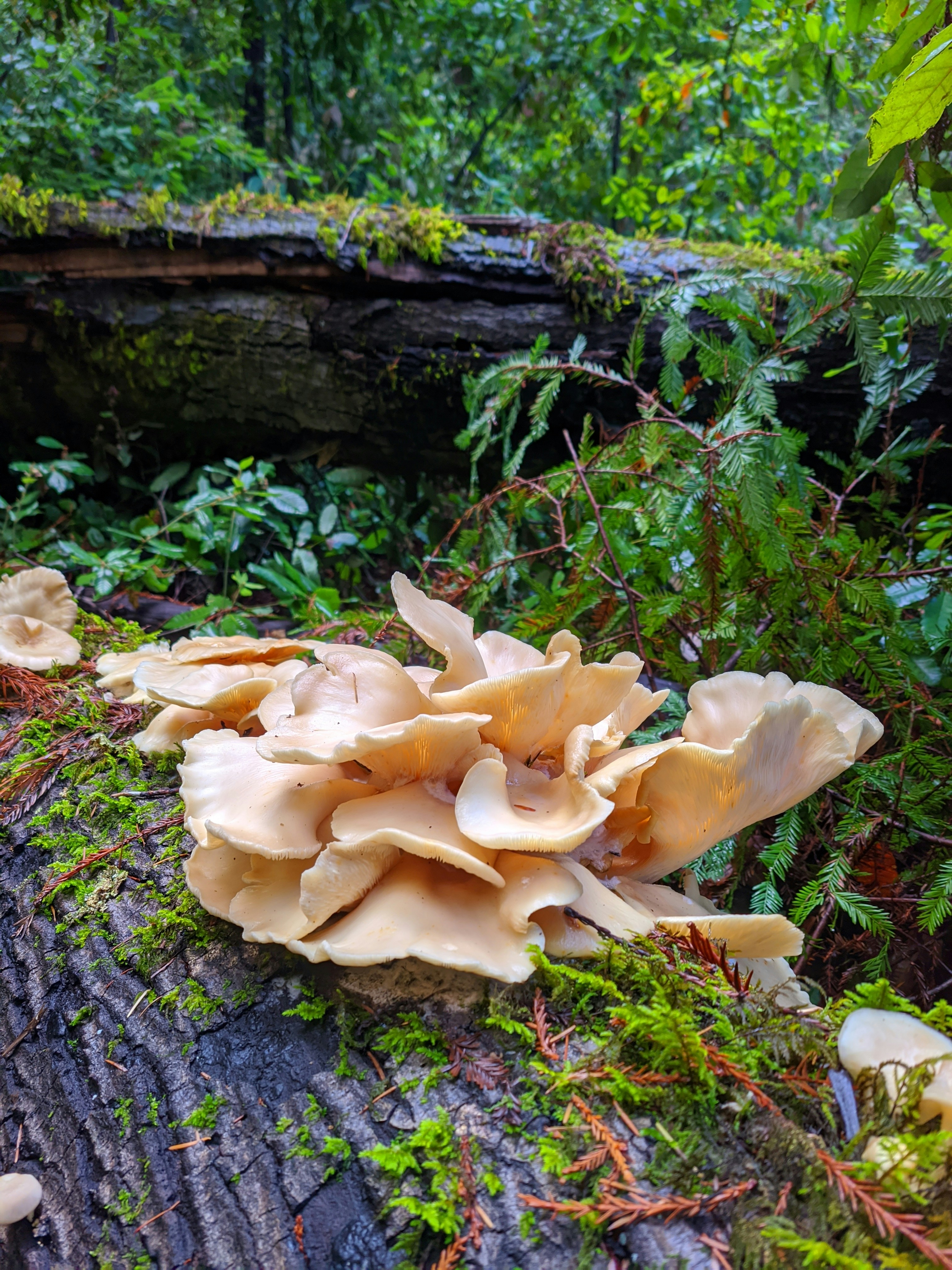
Oyster Mushroom
Pleurotus ostreatus
ID Confidence
Shelf growth on dead wood. White spore print. Mild anise scent.
Feeling confident? The real test is distinguishing these from their dangerous cousins.
See the toxic lookalikes↓The Forest Doesn't
Forgive Guessing.
Every edible species has a doppelgänger. Some are merely unpleasant. Others will put you in the ICU. Here's what separates confidence from catastrophe.
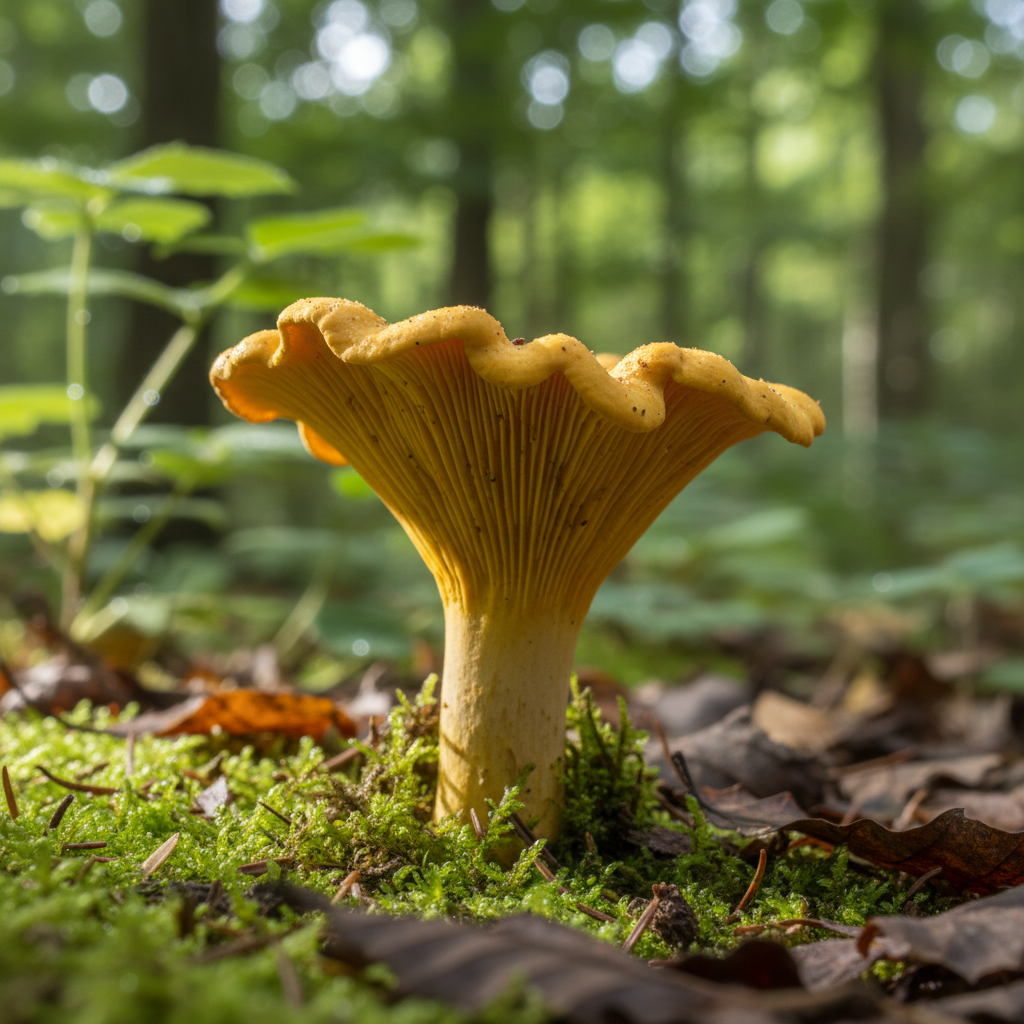
Chanterelle
- ✓False gills — forked ridges
- ✓Fruity apricot scent
- ✓Solid white flesh when cut
- ✓Grows singly or scattered
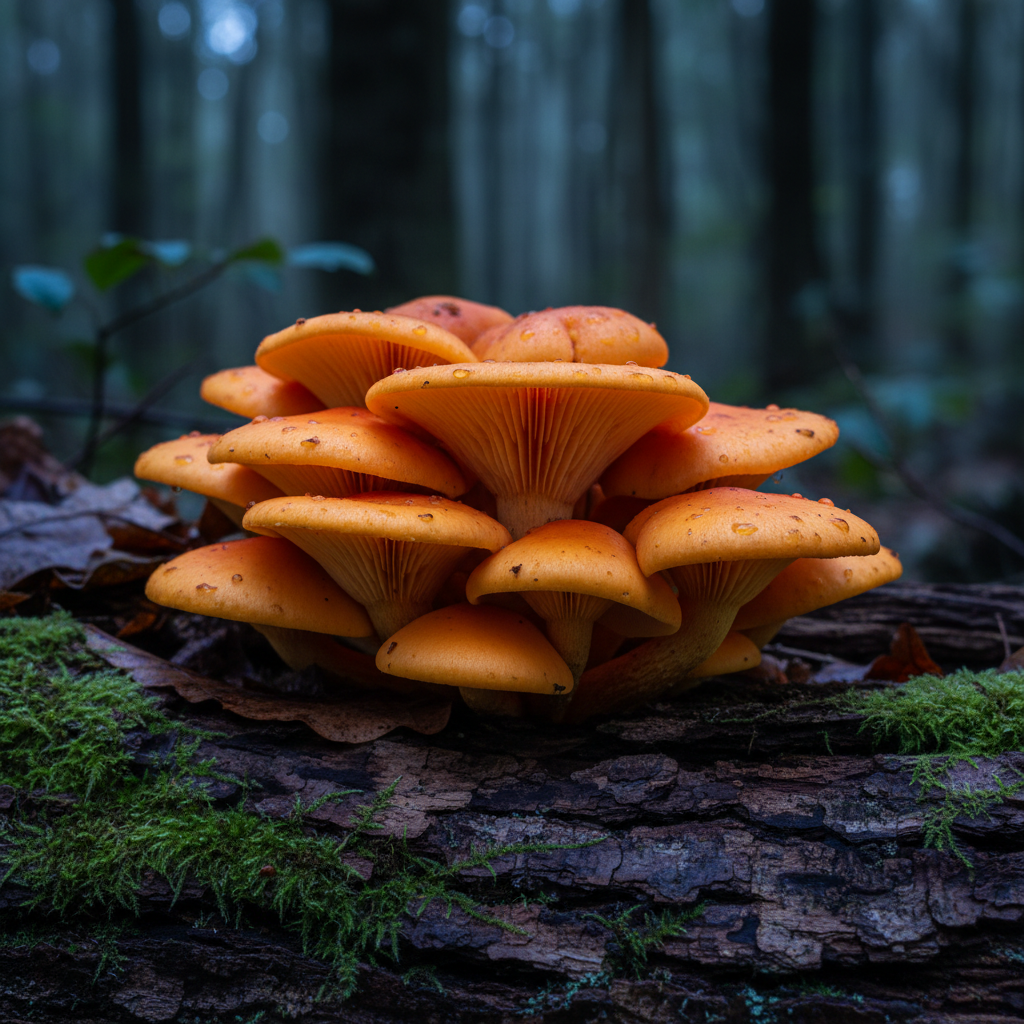
Jack-o'-Lantern
- ✗True gills — sharp, crowded
- ✗Glows faintly in darkness
- ✗Grows in dense clusters
- ✗On wood or buried roots
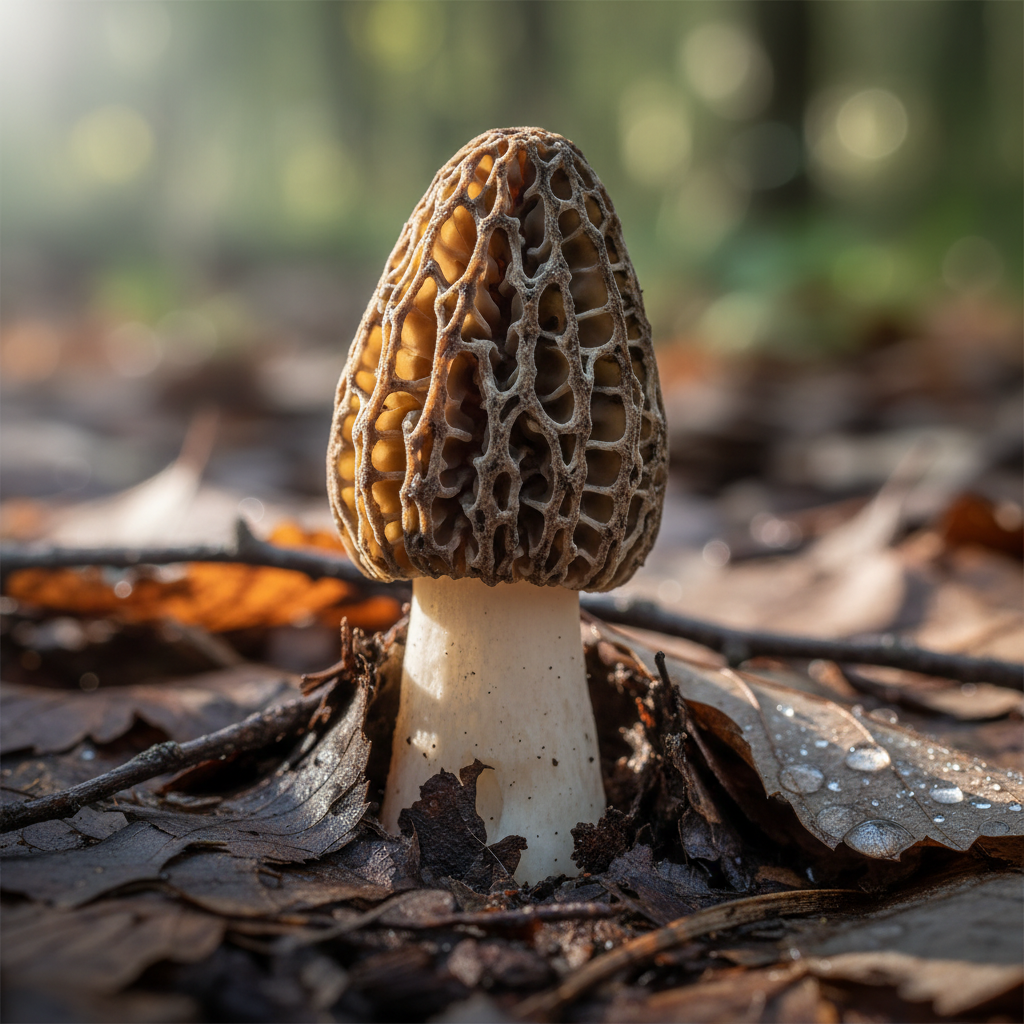
Morel
- ✓Fully hollow — cap and stem
- ✓Pitted honeycomb surface
- ✓Cap attached at base of stem
- ✓Spring fruiting only
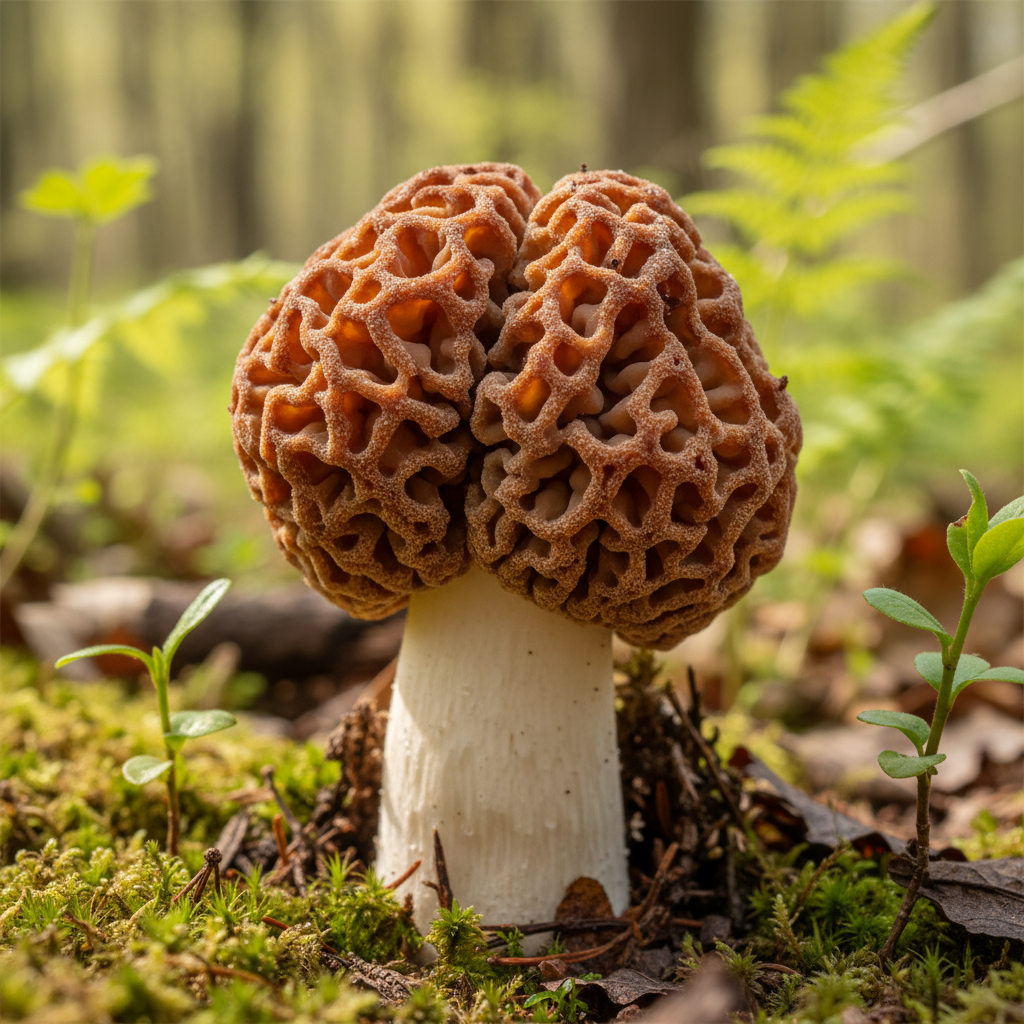
False Morel
- ✗Brain-like, wrinkled cap
- ✗Chamber-filled, not hollow
- ✗Cap lobes hang free
- ✗Contains gyromitrin toxin
The Forest Runs
on Its Own Schedule.
Pacific Northwest foraging windows are narrow and weather-dependent. Miss the first autumn rain and you've waited another year for matsutake.
Pacific Northwest · Elevation 0–3,500 ft · Hover rows for habitat notes
Six Pairs.
One Wrong Answer Changes Everything.
High-resolution photo pairs. Each one a real decision that foragers face in the field. Your score reveals exactly where to focus your study before the season opens.
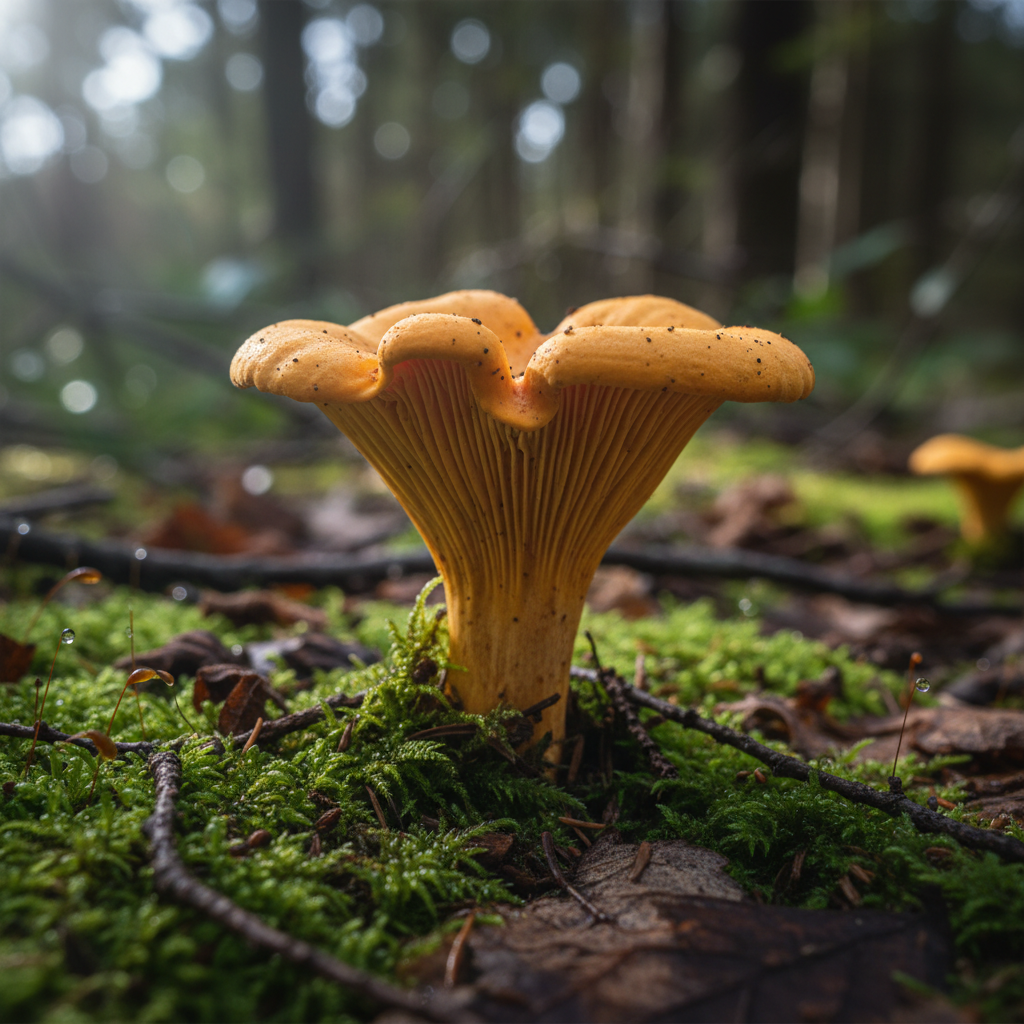
Golden Chanterelle
or its lookalike?
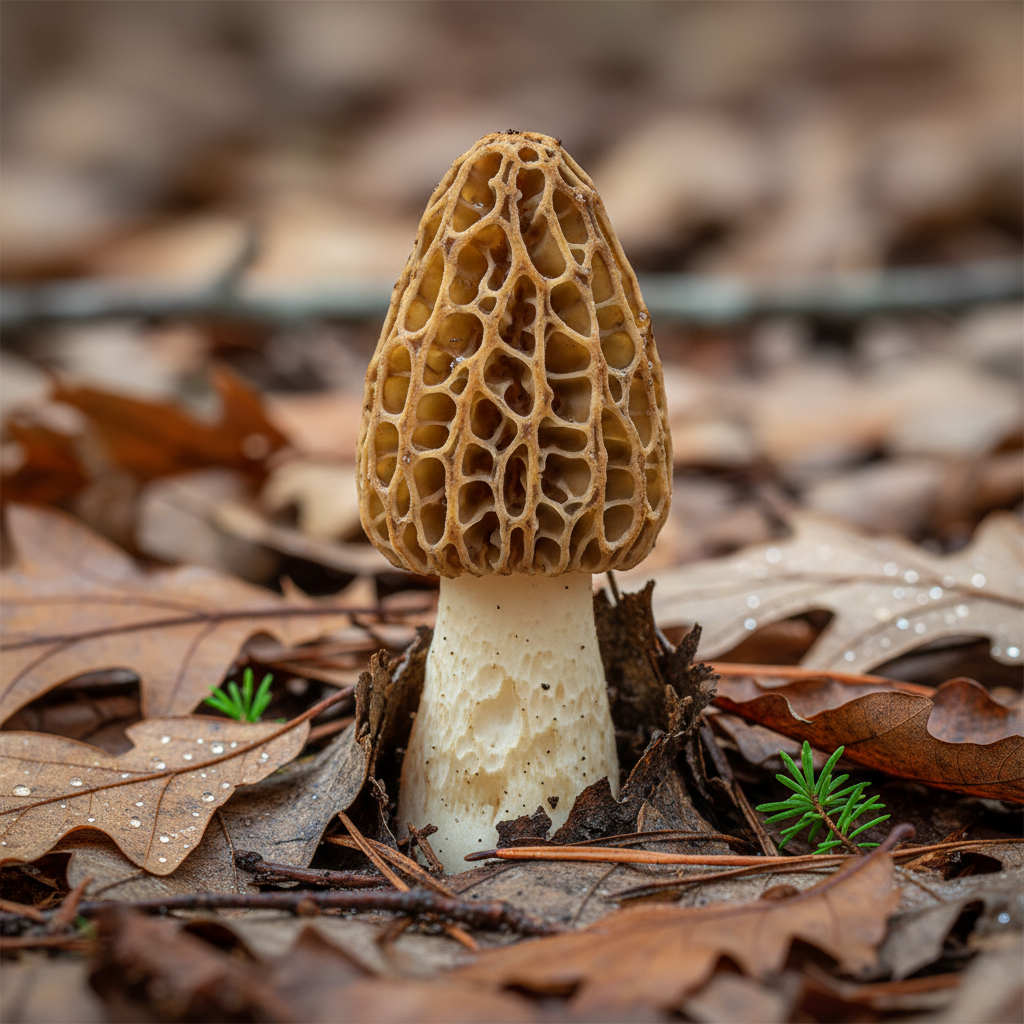
True Morel
or its lookalike?
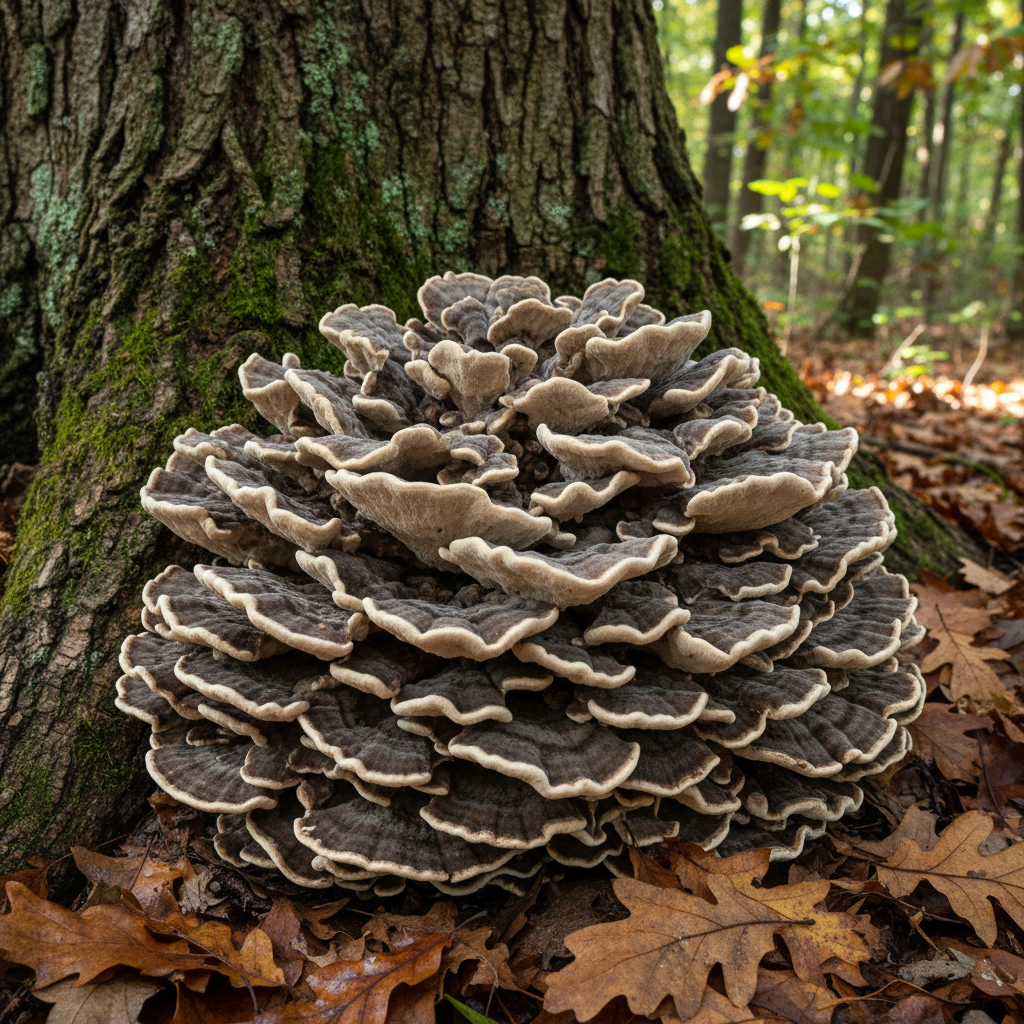
Hen of the Woods
or its lookalike?
True Oyster
or its lookalike?
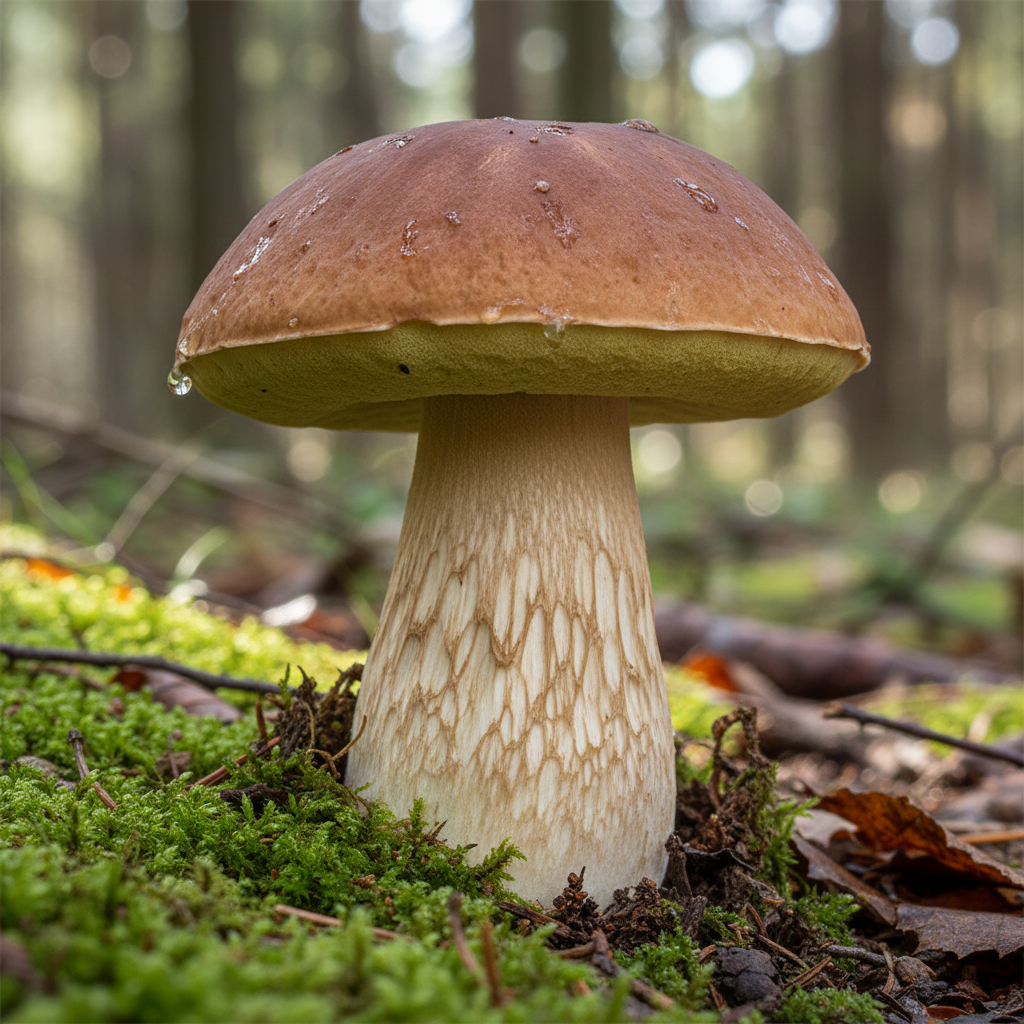
King Bolete
or its lookalike?
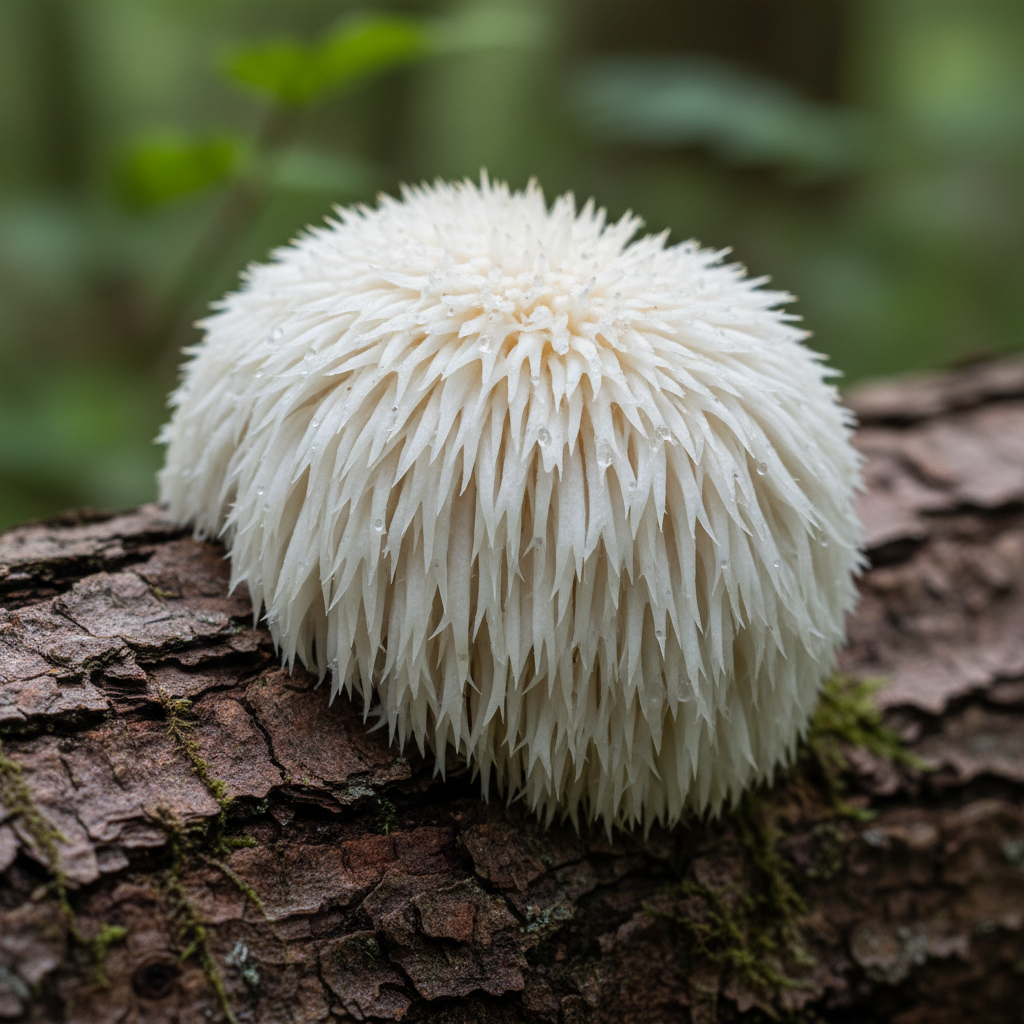
Lion's Mane
or its lookalike?
6 questions · 3 minutes · Instant confidence score
The Forest Teaches
Better in Company.
Retired hikers who know every switchback. Home cooks who found something strange on a dog walk. Mycologists who argue about terroir. Everyone belongs here.
I've been carrying a wicker basket through these woods since before GPS existed. Mycelium is the first digital resource that speaks the language of someone who actually forages, not someone who reads about it.

Margaret Olsen
Olympic Peninsula, 34 years foraging
I've argued spore prints with mycologists for twenty years. The field ID gallery here is the most honest I've seen — it doesn't pretend certainty where there isn't any.
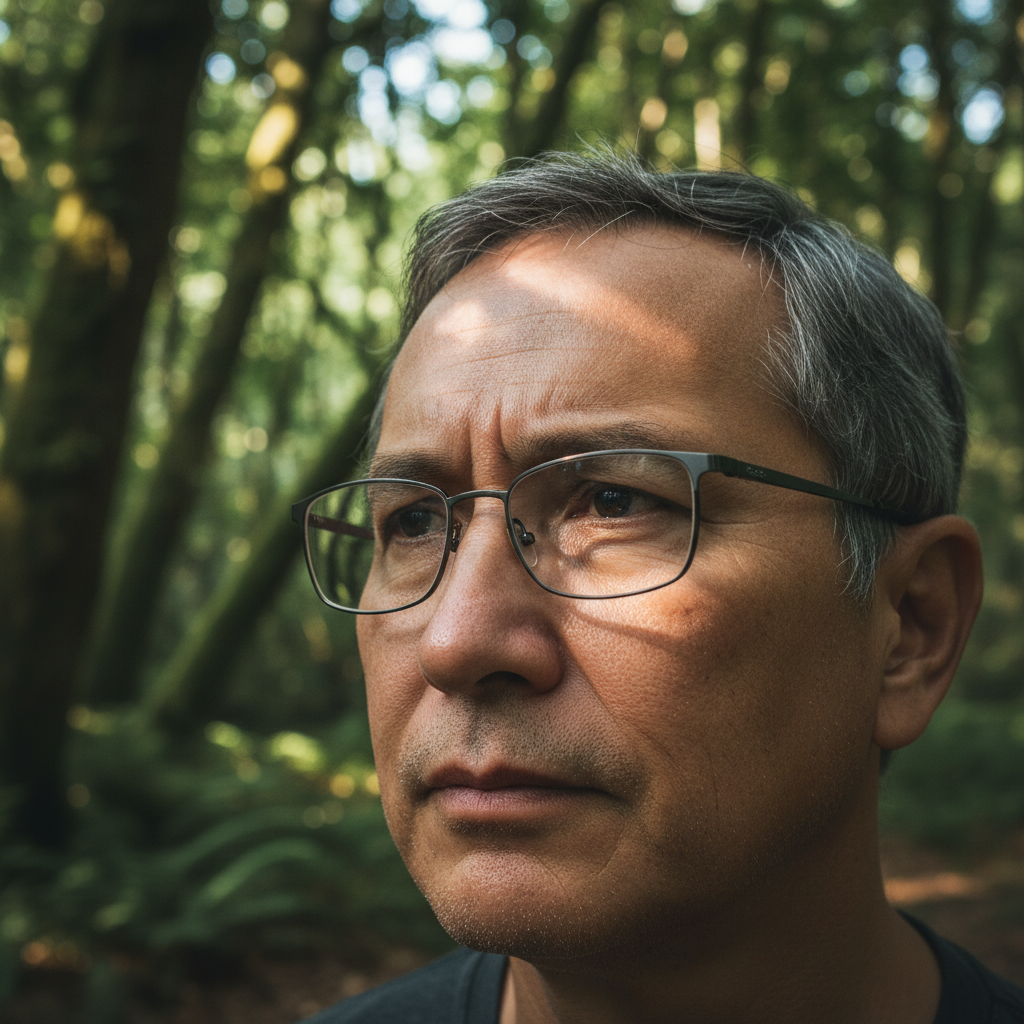
David Tran
Cascade Mycological Society, Bellingham WA
I found something huge on a dog walk and had no idea if it was dinner or danger. The quiz told me it was a hen-of-the-woods and explained exactly why. That walk changed how I see every trail now.

Simone Beaumont
Home cook, Portland OR — found her first hen-of-the-woods on a dog walk